


In an increasingly interconnected world, preserving and valuing the mother tongue is essential for a child’s cognitive and identity development. Contrary to prejudices about early bilingualism, research demonstrates that mastery of the mother tongue serves as a springboard for acquiring other languages and developing higher cognitive skills. This article explores the challenges and benefits of this crucial linguistic transmission.
Language is a fundamental element in human development, representing far more than a simple tool for communication. It embodies the primary vector of cultural and cognitive transmission between parents and their children, thus forming the essential basis for their intellectual and social development. In the context of early development, the mother tongue occupies a privileged position, serving as the initial bridge between the child and their understanding of the surrounding world.
The crucial role of the mother tongue is evident from the very first parent-child interactions. This first acquired language constitutes not only a means of communication, but also a profound anchor for identity, allowing the child to develop within their family and cultural environment. This early linguistic connection shapes the foundations of cognitive learning and lays the groundwork for future language acquisition.
From a developmental perspective, using one’s mother tongue offers numerous cognitive and social advantages. It facilitates the transmission of fundamental knowledge, allowing parents to effectively teach basic concepts such as letters, numbers, and abstract notions. This transmission occurs naturally and fluently, as parents express themselves in the language they master best, thus ensuring precise and nuanced communication.
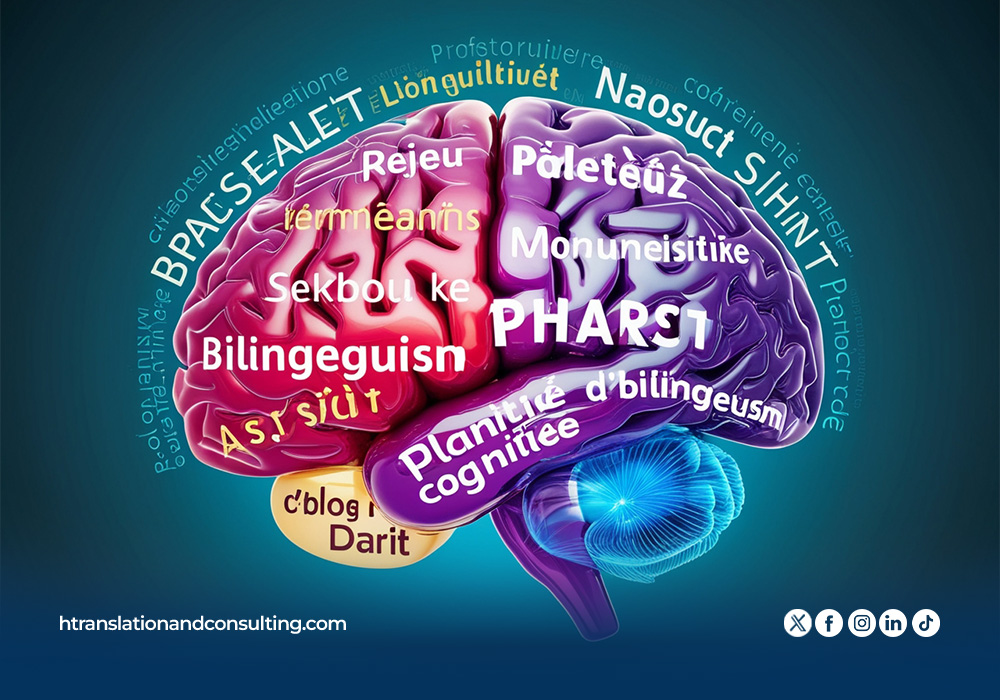
Early bilingualism, far from being an obstacle, represents a considerable asset in a child’s cognitive development. Research shows that children exposed to multiple languages develop superior cognitive abilities, particularly in terms of mental flexibility and problem-solving. This cognitive plasticity often translates into better academic performance in the long term.
The harmonious coexistence of the mother tongue and the language of the host country deserves special attention. Parents frequently question the appropriateness of using their mother tongue in a context where another language predominates. Empirical data suggests that it is preferable for parents to communicate in their most fluent language, thus ensuring high-quality language transmission.
The phenomenon of language mixing, often observed in bilingual children, should not be a cause for concern. It actually represents a natural stage of bilingual development, demonstrating the child’s ability to navigate between different linguistic systems. This mental exercise contributes to the development of metalinguistic skills and a better understanding of language structures.
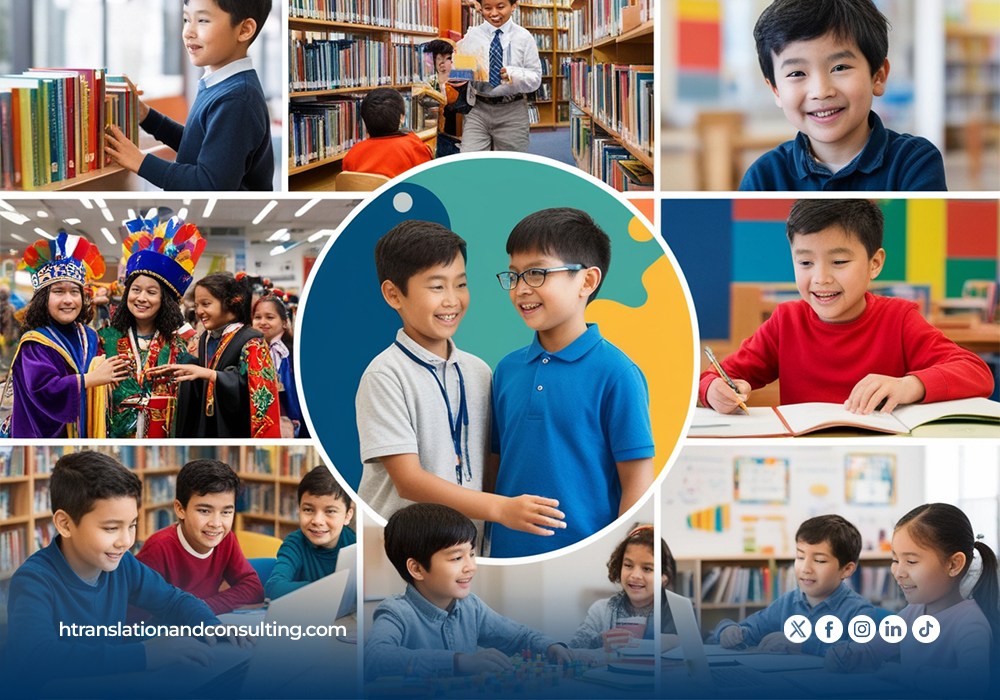
The enrichment of the mother tongue can be fostered through various cultural and educational activities. Shared reading, traditional nursery rhymes, and participation in cultural events all contribute to maintaining and strengthening language skills. Public libraries, by offering multilingual resources, play a crucial role in this language enrichment process.
The emotional dimension of the mother tongue should not be overlooked. It is the primary vehicle for emotions and close family relationships. As the child grows, this solid linguistic foundation facilitates more complex discussions and maintains deep communication within the family, which is particularly important during adolescence.
In conclusion, the mother tongue represents an invaluable cultural and cognitive asset in a child’s development. Maintaining and enriching it, far from hindering the acquisition of other languages, contributes to the development of a rich cultural identity and more flexible thinking. This multilingual approach effectively prepares children for the challenges of a globalized world, where linguistic diversity is a major asset.
Jocelyn Godson HÉRARD, Copywriter H-Translation