


The article by Sébastien Chapellon and Denis Lamaison (2016) examines how Creole languages have preserved and transmitted the memory of slavery across generations. This synthesis presents the key points of their interdisciplinary analysis, which highlights the links between the traumatic experience of slavery and the linguistic structures of Creoles. By exploring the central role of the body in these languages, the authors reveal the psychological and cultural mechanisms through which a painful history continues to influence postcolonial societies. This study offers a unique perspective on the transgenerational transmission of trauma and the role of language in preserving collective memory.
“Erased memory? Creole languages as bearers of the memory of slavery”
The article by Sébastien Chapellon and Denis Lamaison (2016) explores how Creole languages, born in the context of colonial slavery, serve as vehicles for the collective memory of this traumatic period. The authors offer an interdisciplinary analysis, combining history, psychology, and linguistics, to examine how the experience of slavery has left deep traces in these languages, particularly through expressions related to the body.
The text opens with the observation of an “institutional silence” that followed the abolition of slavery in the French colonies in 1848. This concealment of history, motivated by the desire to promote a positive image of the Republic, has had significant repercussions on the transmission of this memory. The authors emphasize that this collective repression has not, however, erased the psychological traces of the trauma among the descendants of the enslaved populations.
Chapellon and Lamaison then examine the living conditions of slaves, highlighting the systematic dehumanization to which they were subjected. The slave system not only deprived individuals of their fundamental rights but also sought to strip them of their cultural identity and symbolic reference points. This situation engendered complex psychological defense mechanisms, the effects of which have been passed down through generations.
The authors draw on psychoanalytic concepts to explain how this traumatic experience could have been transmitted unconsciously. They specifically mention Freud’s work on the timelessness of the unconscious and the theory of transgenerational trauma transmission. According to them, the inability to verbalize the traumatic experience led to a non-verbal transmission, expressed through gestures, attitudes, and, significantly, language.
It is in this context that Creole languages take on particular importance. Born from the need for communication between populations of diverse origins, these languages have incorporated elements of African and European languages. But beyond their communicative function, they have become, according to the authors, receptacles of the traumatic experience of slavery.

Chapellon and Lamaison analyze numerous Creole expressions, particularly those using the term “kó” (body), to illustrate how language became a way to “secretly cry out” a pain that could not be expressed otherwise. These metaphorical expressions would have allowed for the circulation of “repressed emotions,” making them shareable while concealing them from the eyes of the masters.
The authors also highlight the role of Creole proverbs, or “dolos,” as vehicles of this collective memory. These idiomatic expressions, often centered on the body, are interpreted as “bodily signifiers” allowing the transmission of an experience that could not be directly verbalized.
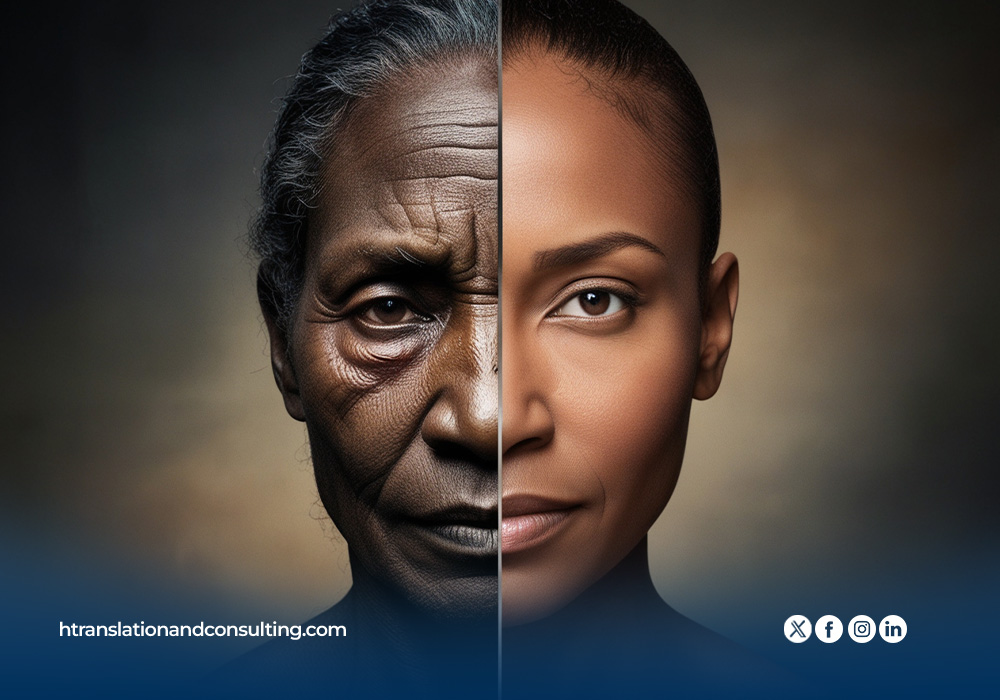
The article concludes by highlighting the importance of these Creole languages as cultural and historical heritage. According to the authors, they constitute a “bridge between generations,” allowing for the delayed expression of suffering that could not be addressed at the time it was experienced. Chapellon and Lamaison emphasize the need to study and preserve these languages, not only for their linguistic value, but also as living testimonies of a painful history that continues to influence the present.
In conclusion, this article offers a fresh perspective on the legacy of slavery, demonstrating how Creole languages have become “memory carriers” of this traumatic experience. It illuminates the complexity of the processes of cultural and psychological transmission, while highlighting the resilience and creativity of the populations who have forged new means of expression in the face of adversity. This interdisciplinary approach opens up fruitful avenues for reflection on how postcolonial societies continue to grapple with their past through language.
Jocelyn Godson HÉRARD, Copywriter H-Translation