


In this in-depth article, we explore the intricate links between geographical insularity and the phenomenon of cultural and linguistic creolization, as explained by Fleischmann (2020). From the colonial era to the present day, islands have served as unique social laboratories, shaping distinct economic, spatial, and cultural dynamics. This analysis reveals how the limited space of islands has influenced the development of creole societies, creating tensions between tradition and modernity, local and global. It highlights the contemporary challenges these communities face, caught between a persistent colonial legacy and the quest for their own identity in an interconnected world.

Islands played a crucial role in the history of colonialism, serving as laboratories for new models of economic and social exploitation. Their limited size and relative isolation made them fertile ground for experimenting with plantation and slavery systems, while simultaneously fueling utopian fantasies in the European imagination. This duality between pragmatic exploitation and idealized projection shaped the development of colonial island societies.
The plantation economy, characterized by monoculture and an export-oriented approach, coexisted in a complex way with a marginal subsistence economy. This coexistence generated distinct spatial and social structures within the islands, often contrasting cultivated plains with mountainous areas occupied by small farms.
Creolization, a cultural and linguistic phenomenon, developed differently in island and continental contexts. On the continents, creole languages often retained a lingua franca function between different ethnic groups. In contrast, on the islands, where limited space facilitated deeper integration into the colonial system, creole languages acquired a more referential function, linked to local identity.
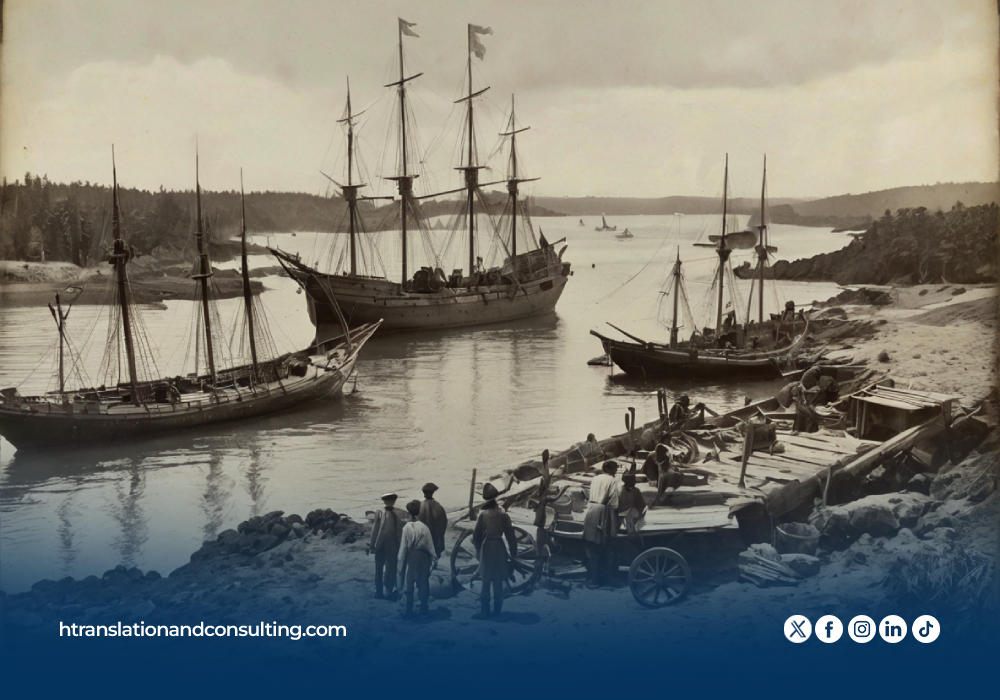
This difference is explained by the “totalizing” nature of the island plantation, which encompassed all available space and resources. Unlike continental colonies where autonomous zones could exist, the islands saw the development of creole cultures intrinsically linked to the colonial system, while also differentiating themselves from it.
The perception of space in island Creole societies is marked by a divide between concrete space, limited by the island’s natural boundaries, and a symbolic space associated with the colonial metropolis. This spatial dichotomy is reflected in cultural and linguistic practices, with a tendency to confine Creole culture to a local and traditional role, leaving the field open to imported modernization.
This spatial and cultural configuration has profound consequences for the development of island Creole societies. It can lead to a fragmentation of traditional social spaces, increased competition for limited resources, and an erosion of community solidarity. Paradoxically, despite their origins linked to mobility and exchange, many island Creole cultures today find themselves confined to small spaces, both geographically and symbolically.
In conclusion, the study of insularity and creolization reveals the complexity of the interactions between space, economy, and culture in the colonial and post-colonial context. It highlights the particular challenges faced by island Creole societies, caught between a restrictive colonial legacy and the need to redefine their identity and their place in a globalized world.
Jocelyn Godson HÉRARD, Copywriter H-Translation