


This article summarizes the main points presented by Christelle Maillart (2022) in her analysis of developmental language disorders (DLD). This review explores theoretical advances, diagnostic challenges, and the socio-emotional impacts of this still poorly understood condition, while highlighting perspectives for improving care and raising awareness.
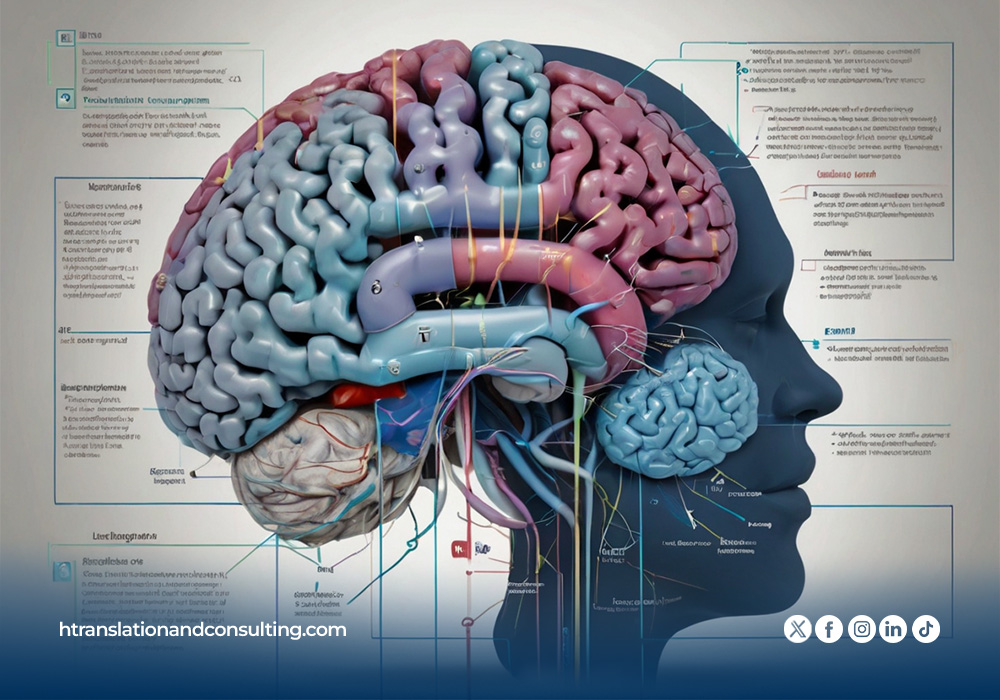
Developmental language disorders (DLDs) are a common neurodevelopmental condition, affecting approximately 7% of preschool and school-aged children. However, they remain relatively unknown to the general public and are often misdiagnosed. This lack of visibility has significant consequences for access to care, educational pathways, and the social integration of affected individuals. In this article, we will explore the contemporary challenges related to understanding, managing, and addressing the consequences of DLDs, drawing on recent theoretical and clinical advances.
The evolution of terminology clearly illustrates the efforts to harmonize the understanding of this condition. Previously referred to by various terms such as “dysphasia” or “specific language impairment,” specific language impairments (SLIs) are now the subject of an international consensus thanks to the CATALISE project. This consensus recommends a unified terminology and diagnostic criteria based on the functional impact of the disorder, which facilitates communication among healthcare professionals and improves access to services. This approach also highlights the complexity of SLIs, which are not limited to isolated deficits but affect various aspects of language production and comprehension.
One of the major advances in the study of language disorders lies in the consideration of linguistic and cultural specificities. Cross-linguistic research has revealed that the manifestation of disorders varies according to the language, depending on grammatical complexity or phonological structures. This multicultural perspective has made it possible to better distinguish difficulties related to a multilingual environment from true language disorders. For example, diagnostic tools, such as non-word repetition or dynamic assessments, have been refined to avoid diagnostic errors, particularly in bilingual children or those from disadvantaged socioeconomic backgrounds.

Furthermore, language disorders can no longer be considered solely as linguistic impairments. Current research highlights close links between these disorders and broader cognitive deficits, such as procedural memory, processing speed, and attention span. These mechanisms, essential for learning, influence not only language development but also executive functions, motor skills, and social interactions. This complexity justifies a multifactorial approach that integrates linguistic and non-linguistic dimensions to better understand and treat language disorders.
The social and emotional consequences of language disorders (LD) constitute another major area of research. Children with LD face significant challenges in their peer relationships, schooling, and overall well-being. In adolescence, language difficulties, particularly pragmatic ones, can exacerbate communication and socialization problems. These obstacles often extend into adulthood, affecting employment prospects, independence, and social participation. However, the impact of LD on quality of life remains underestimated due to a lack of suitable tools for gathering the subjective experiences of affected individuals.
Finally, future prospects for language disorders depend on better integration of theoretical research and clinical practice. Identifying the mechanisms underlying language learning, developing targeted interventions, and raising public awareness are all challenges to be addressed. These efforts will not only reduce disparities in access to care but also provide appropriate support to families and individuals affected by this condition.
The recognition and management of learning disabilities therefore require a collaborative approach involving researchers, clinicians, educators, and policymakers. By combining scientific advances and feedback from those affected, it becomes possible to better understand learning disabilities in all their diversity, while giving them a legitimate place in public health and education priorities.
Jocelyn Godson HÉRARD, Copywriter H-Translation